Payments on Account Explained: A Simple Guide for Self Assessment
Written and reviewed by Zoe, Managing Director at Kernow Accountancy : our family-run Helston practice has been advising Cornish sole traders, landlords and small businesses since 2011.
Why your January tax bill can be bigger than expected. A plain-English guide to Self Assessment payments on account, with a worked example and tips to plan ahead.
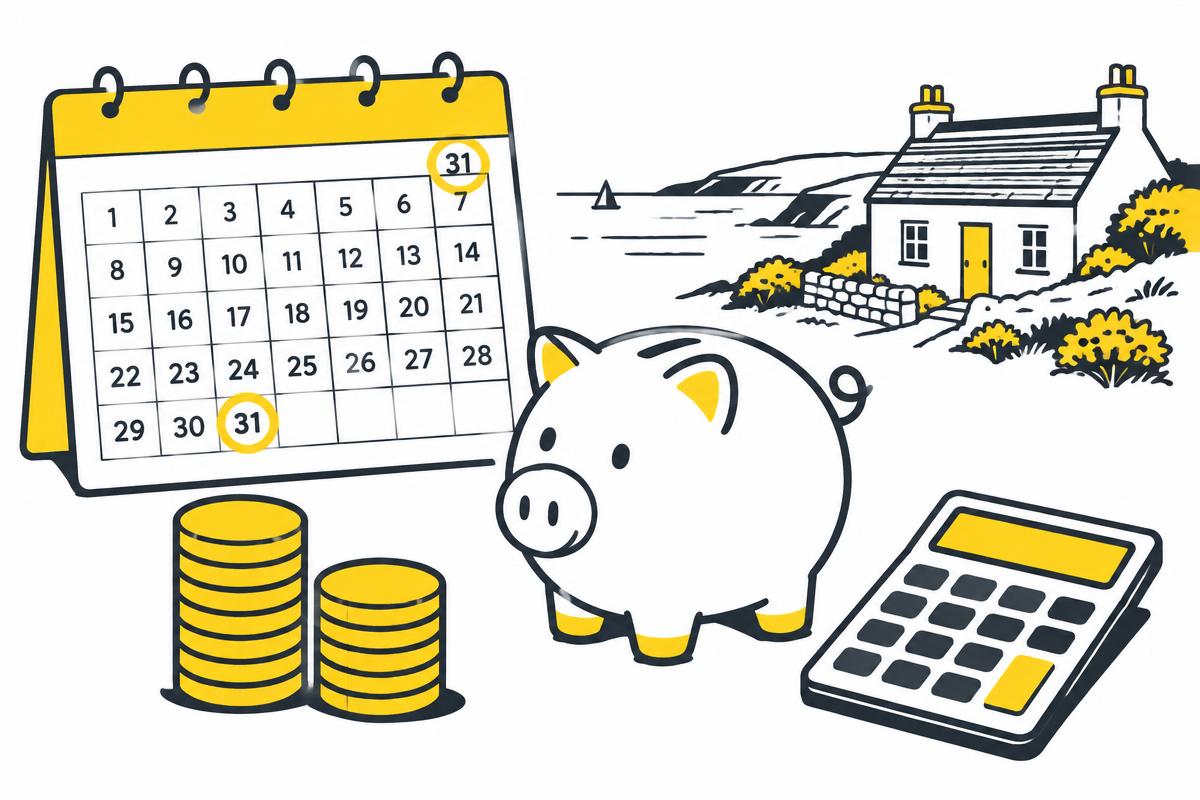
In short: payments on account are two advance payments towards your tax bill, due on 31 January and 31 July. If you're self-employed, a landlord or have other untaxed income, they can make your January bill much bigger than you expected.
They are not an extra tax. HMRC is simply asking you to pay some of your tax earlier, in instalments, rather than all in one go after the year has ended. Once you understand how they work, they're easy to plan for.
Who has to make payments on account?
You need to make them if both of these are true:
- your last Self Assessment tax bill was £1,000 or more, and
- less than 80% of your total tax was already taken at source, for example through PAYE on a salary or pension.
This mostly affects sole traders, partners in a business and landlords. If you're employed and only file a return for a small amount of extra income, you probably won't have to make them.
Payments on account cover Income Tax and Class 4 National Insurance. They don't include Capital Gains Tax or student loan repayments, which are paid in full with your balancing payment.
HMRC works this out for you. Your Self Assessment statement or online account shows whether you need to pay them and how much.
How are payments on account calculated, and when are they due?
Each payment on account is half of last year's tax bill. HMRC assumes this year will look much like last year, so it asks for that amount in two equal parts:
- 31 January: the first payment on account, during the tax year.
- 31 July: the second payment on account, just after the tax year ends.
After the tax year ends on 5 April, you file your return and find out your real bill. If you owe more than you've already paid, the difference is called the balancing payment. It's due the following 31 January, alongside the first payment on account for the next year.
Payments on account example: how the numbers work
Sam is a self-employed plumber. Her tax bill for 2025/26 was £6,000. Her bill for 2026/27 turns out to be £7,000.
| Date | What Sam pays | Amount |
|---|---|---|
| 31 January 2027 | 1st payment on account for 2026/27 (half of £6,000) | £3,000 |
| 31 July 2027 | 2nd payment on account for 2026/27 (half of £6,000) | £3,000 |
| 31 January 2028 | Balancing payment for 2026/27 (£7,000 minus £6,000 already paid) | £1,000 |
| 31 January 2028 | 1st payment on account for 2027/28 (half of £7,000) | £3,500 |
So on 31 January 2028 Sam pays £4,500 in one go: £1,000 to settle last year, plus £3,500 towards this year. That's why January bills often feel bigger than people expect.
Watch out for the first-year "double bill"
The biggest shock usually comes the first January that payments on account kick in. You pay your whole tax bill for the year just gone, plus 50% of it again as your first payment on account for the current year.
For example, if your first year's bill is £4,000, you'll pay £6,000 on 31 January: the £4,000 you owe, plus a £2,000 payment on account. Then another £2,000 is due on 31 July.
The good news is that it evens out. From then on you're paying as you go, and your balancing payments should be much smaller.
Top tip: set aside a percentage of every invoice or rent payment into a separate savings account just for tax. Good bookkeeping makes this much easier.
How to reduce payments on account (form SA303)
You can ask HMRC to reduce your payments on account if you expect this year's tax bill to be lower than last year's. Do this in your HMRC online account by choosing "Reduce payments on account", or by sending form SA303 by post.
Only reduce them if you're confident in your estimate. If you reduce them too far and your real bill turns out higher, HMRC will charge interest on the shortfall from the original due dates.
What if I pay too much or too little?
- Paid too much? Once your return is filed, the extra is credited to your account. You can ask for a refund, or leave it to go towards your next bill.
- Paid too little? You simply pay the difference as your balancing payment on 31 January.
- Paid late? HMRC charges interest from the day the payment was due, currently the Bank of England base rate plus 4%.
- Can't afford it? Contact HMRC as early as you can. You may be able to spread the cost through a Time to Pay arrangement, which you can often set up online.
Key Self Assessment payment dates for 2026/27
| Deadline | What's due |
|---|---|
| 31 January 2027 | Balancing payment for 2025/26 and 1st payment on account for 2026/27 |
| 31 July 2027 | 2nd payment on account for 2026/27 |
| 31 January 2028 | 2026/27 tax return, balancing payment for 2026/27 and 1st payment on account for 2027/28 |
Missing the 31 January filing deadline brings an automatic £100 penalty, even if you owe no tax, so put these dates in your diary now.
Do payments on account change under Making Tax Digital?
No. If you're joining Making Tax Digital for Income Tax, you'll send quarterly updates to HMRC, but these are summaries of your income and expenses, not tax payments. Your payment dates stay the same: 31 January and 31 July. The upside is that quarterly records give you a clearer picture of your bill earlier in the year, which makes it easier to decide whether to reduce your payments on account.
The short version
- Payments on account are advance payments towards your tax bill, not extra tax.
- They apply if your last bill was £1,000 or more and less than 80% was taxed at source.
- Each one is half of last year's bill, due on 31 January and 31 July.
- Your first year can feel like paying 150% of your bill in January, so plan ahead.
- You can reduce them if your income has dropped, but be careful not to under-estimate.
Need a hand with your January bill?
Payments on account can be confusing, especially in your first few years of self-employment. If you'd like help working out what you owe, planning for January or checking whether you can reduce your payments, book your free chat with the team at Kernow Accountancy in Helston.
Sources
- GOV.UK: Understand your Self Assessment tax bill, payments on account
- GOV.UK: Reduce your payments on account
- GOV.UK: If you cannot pay your tax bill on time
This article is for general guidance and reflects UK tax rules as of 2026/27. It isn't a substitute for advice tailored to your circumstances; speak to your accountant before acting on it.
Frequently asked questions
- What are payments on account?
- They are two advance payments towards your Self Assessment tax bill, due on 31 January and 31 July. They are not an extra tax, just HMRC collecting some of your tax earlier in instalments.
- Who has to make payments on account?
- You make them if your last Self Assessment bill was £1,000 or more and less than 80% of your total tax was already taken at source, for example through PAYE. This mostly affects sole traders, partners and landlords.
- How much is each payment on account?
- Each payment is half of last year's Income Tax and Class 4 National Insurance bill. Capital Gains Tax and student loan repayments are not included and are paid with your balancing payment.
- Why is my first January tax bill so big?
- In your first year you pay the full bill for the year just gone plus 50% of it again as your first payment on account for the current year. It evens out after that.
- Can I reduce my payments on account?
- Yes. If you expect this year's bill to be lower, you can reduce them in your HMRC online account or using form SA303. If you reduce them too far, HMRC charges interest on the shortfall.
- Does Making Tax Digital change payments on account?
- No. Quarterly updates under Making Tax Digital for Income Tax are summaries, not payments. Payments on account are still due on 31 January and 31 July.
- What happens if I pay late?
- HMRC charges interest from the due date, currently at the Bank of England base rate plus 4%. If you can't afford to pay, contact HMRC early about a Time to Pay arrangement.