Do I Need to Register as a Sole Trader if I Earn Under £12,570?
Written and reviewed by Zoe, Managing Director at Kernow Accountancy : our family-run Helston practice has been advising Cornish sole traders, landlords and small businesses since 2011.
You must register as a sole trader once your gross self-employment income passes £1,000; even if you earn under the £12,570 personal allowance and owe no tax.

If your gross income from self-employment is over £1,000 in a tax year, you must register with HMRC and file a Self Assessment return; even if you earn under the £12,570 personal allowance and won't owe any tax. The personal allowance and the registration threshold are two different things.
If you're earning a bit of extra money on the side, selling crafts, doing freelance work, or running a small side hustle; you've probably come across the £12,570 personal allowance and wondered whether it applies to you when it comes to registering with HMRC. It's one of the most common questions we get asked at Kernow Accountancy, so let's clear it up.
"If the personal allowance is £12,570, why do I have to register as a sole trader if I'm making less than that?"
It's a fair question. After all, you don't pay any Income Tax on earnings below £12,570, so why bother registering at all?
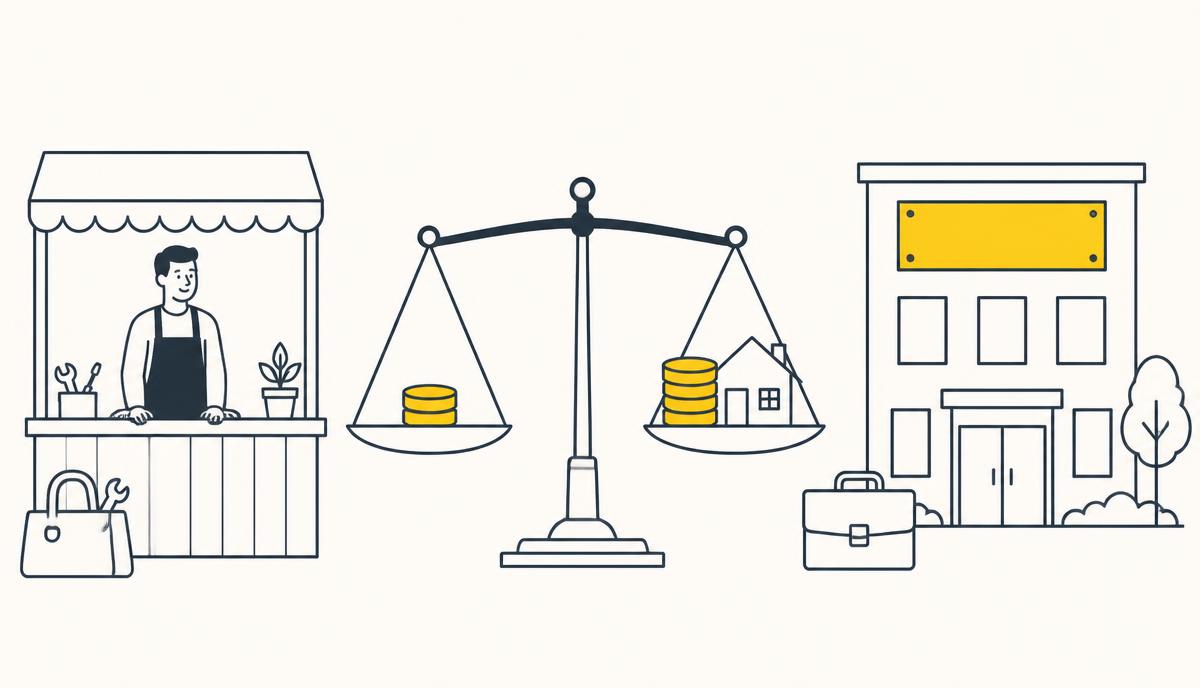
The key thing to understand is that the personal allowance and the registration threshold are two completely different things.
- The personal allowance (£12,570) is the amount you can earn each tax year before you start paying Income Tax.
- The registration threshold (£1,000) is the amount you can earn from self-employment before you're required to tell HMRC about it.
These thresholds serve different purposes, which is why they don't match up.
The £1,000 rule
HMRC's rule is straightforward: if your gross annual income from self-employment is over £1,000, you must register as self-employed and submit a Self Assessment tax return. This is sometimes referred to as the "trading allowance."
Importantly, this £1,000 threshold applies to individuals trading as sole traders; it doesn't apply to partnerships, which have their own registration requirements.
So even if you know you won't owe any tax because your total income sits comfortably under £12,570, you can still be legally required to register and file a return once your trading income passes £1,000.
Why does HMRC ask you to register anyway?
It might feel like unnecessary admin if you're not going to pay any tax, but there are good reasons behind it:
Checking your tax position. Registering allows HMRC to confirm that you're paying the correct amount of tax, if any is due. Your circumstances might change during the year, or you might have other income sources that push you over the personal allowance.
Keeping accurate records. HMRC needs a clear picture of who is trading, so it can maintain proper records of self-employed individuals.
Informing government statistics. This data also feeds into wider economic reporting, helping to show how many sole traders are operating in the UK and how much they contribute to the economy.
What happens if you don't register?
If your income exceeds £1,000 and you don't register, you could face penalties from HMRC, even if you wouldn't have owed any tax. It's always better to register on time and let HMRC confirm there's nothing to pay, rather than risk a fine for late registration.
Not sure where you stand?
Rules around thresholds, allowances, and registration can be confusing, especially when you're juggling a side project alongside other income. If you're unsure whether you need to register as a sole trader, get in touch with the team at Kernow Accountancy; we're happy to talk through your situation and make sure you stay on the right side of HMRC. Give us a ring on 01326 377104.